
QR Code Menus: Everything Restaurant Owners Need to Know
7. January 2026What is a QR code menu?
A QR code menu is a digital menu that guests can access on their smartphone via a QR code – no app download, no registration, no waiting. The guest scans the code at the table, and the menu opens directly in the browser.
During the coronavirus pandemic, QR code menus became the norm because they are contactless and hygienic. Since then, they have established themselves as an integral part of modern hospitality concepts – no longer out of necessity, but because of their genuine benefits for both businesses and guests.


How does a QR code menu work technically?
A QR code (Quick Response Code) is a two-dimensional barcode that encodes information – in this case, a URL. When a guest scans the code using their smartphone’s camera, the device automatically opens the linked web address.
Behind this lies a web-based menu that is optimised for display on mobile devices. The content is loaded from a central system – which means that if I change the price of a dish in the backend, the change is immediately visible at all tables without the need to print new QR codes.
Modern solutions also allow QR codes to be created for various purposes: one for the main menu, one for the wine list, one for the daily specials – all managed from a central system.
The benefits of a QR code menu
Always up to date
The strongest argument in favour of QR code menus is how easy they are to update. Price increases, sold-out dishes, new seasonal offers – all of these can be updated in minutes.
Reach beyond the table
A QR code doesn’t have to be displayed only at the table. The same code – or a variation of it – can be embedded in Instagram posts, integrated into your website, added to Google My Business, or printed on flyers and business cards. This allows you to reach potential guests even before they visit your restaurant.
Valuable usage data
Digital menus provide data that printed menus never could: How often was the menu accessed? At what times? Which categories were viewed most frequently? These insights help you optimise your offering and make data-driven marketing decisions.
Multilingualism made easy
With a digital menu, you can offer your guests different language versions at the touch of a button – German, English, French or Turkish. This is a real added value, particularly in tourist-oriented locations.
The downsides – and how to deal with them
Not all guests want to use their smartphones
Some of your guests – particularly older guests or those who are wary of technology – prefer a printed menu. That’s no problem: QR codes and printed menus aren’t mutually exclusive. A hybrid solution, where you hand out a physical menu on request, is the most guest-friendly option.
Poor Wi-Fi or no signal
In vaulted cellars, within thick walls of old buildings, or in rural areas, mobile signal can be poor. Ensure your venue has good Wi-Fi and let guests know the network details at the table.
Distraction from smartphones
Once guests have their mobile phones in hand, the temptation is great to quickly check WhatsApp or scroll through Instagram. This slows down the ordering process and interrupts conversations at the table. A solution: offer QR codes for the menu only, but continue to take orders via staff – this way, you maintain personal contact and control over the pace.
What matters when designing a QR code
Brand-consistent design
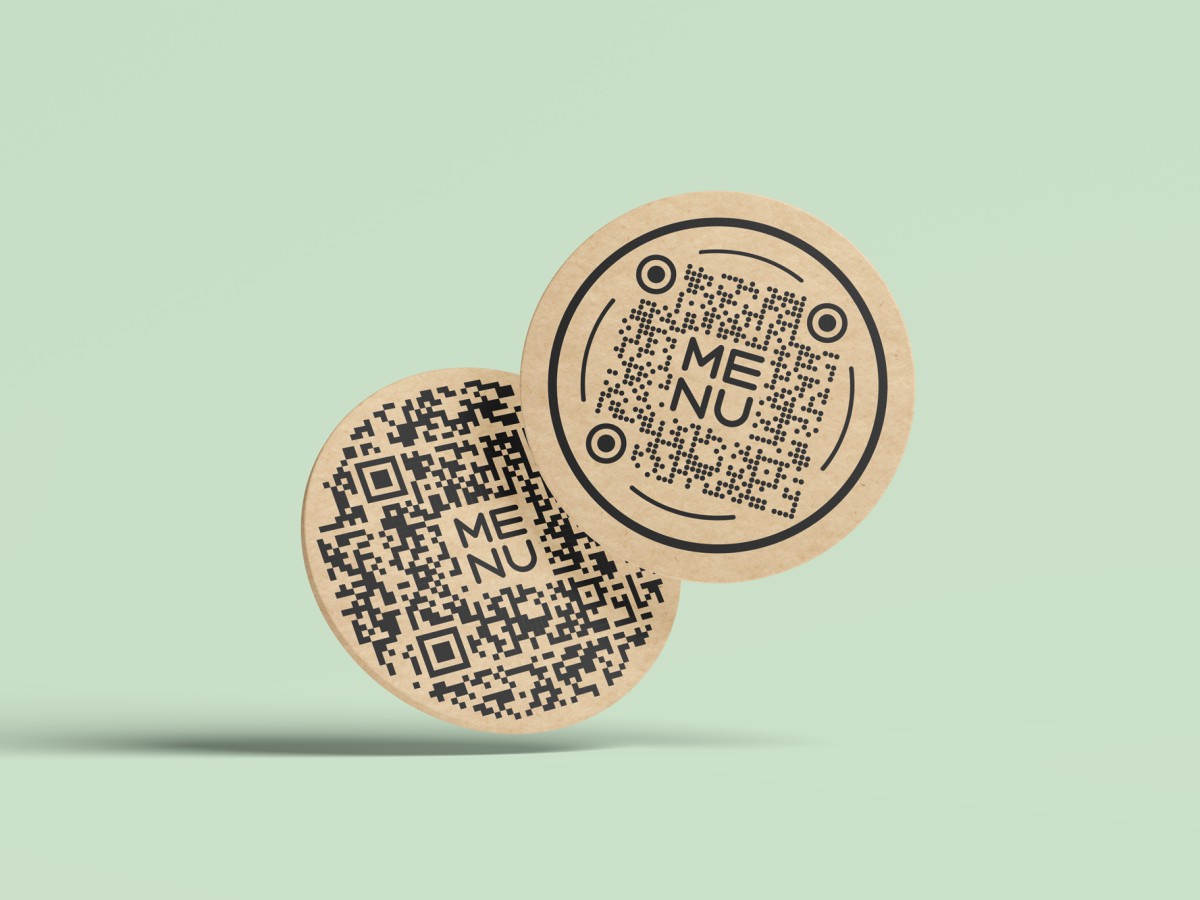
A plain, black-and-white QR code is functional – but it’s a missed opportunity. Modern QR code generators allow you to design codes in your brand’s colours, incorporate a logo in the centre and vary the shape of the dots. This looks more professional and boosts brand recognition.
Important: The more you customise the code’s appearance, the lower its error tolerance becomes. Always test customised QR codes on multiple devices and in different lighting conditions before putting them into use.
Size and placement
A QR code must be at least 2.5 × 2.5 cm in size to be scanned reliably – preferably larger. Place it in a clearly visible spot on the table: on a stand, a placemat, a menu holder or directly on the tabletop. The code should not be obscured, creased or overexposed to light.
QR code menus and SEO: an underestimated synergy
If your digital menu is accessible via its own URL, it can be indexed by search engines. This means that dishes, ingredients and descriptions on your menu can appear in search results – drawing potential guests’ attention to you even before they’ve visited your website.
This requires a well-structured page that is accessible to search engines, featuring meaningful text, correctly formatted headings and – even better – structured data in the Schema.org format for restaurants and menus.
QR code menus and the law: what do you need to bear in mind?
Mandatory information must also be included in digital formats
A digital menu must also contain all the information required by law: the 14 allergens subject to labelling requirements under the Food Information Regulation (LMIV), prices including VAT in accordance with the Price Indication Regulation, and, where applicable, information on the origin of meat and fish.
GDPR and usage data
If you collect usage data from your digital menu – such as page views, device information and time spent on the site – the GDPR applies. Ensure that your privacy policy transparently explains the data collection process and that you obtain cookie consent where necessary if tracking tools are used.
Accessibility
From June 2025, the Accessibility Enhancement Act (BFSG) will apply. Digital menus must be designed to be accessible – i.e. WCAG-compliant. Ensure sufficient contrast, alt text for images and functional keyboard navigation.
QR code menu vs. printed menu: Do I have to choose?
No. The smartest strategy is to combine the two. A printed menu creates a sense of brand identity, a tactile experience and trust – particularly during a customer’s first visit and in upmarket establishments. A QR code menu complements this with up-to-date information, flexibility and data.
Many successful restaurants use a high-quality printed main menu for their regular offerings and QR codes for daily specials, seasonal offers or the wine list. This way, you benefit from the strengths of both worlds.
Conclusion: QR code menus are more than just a pandemic relic
Anyone who still views QR code menus as a stopgap solution for the pandemic is underestimating their potential. Implemented correctly, they are a powerful tool for more efficient processes, better guest experiences and data-driven decisions. The technology is mature, guest expectations have risen – and the opportunities to stand out through good design and smart features are greater than ever.